Henpicked’s Deborah Garlick was joined by Sally Leech, training director at Henpicked: Menopause in the Workplace, to discover more about the role of line managers in menopause conversations at work.

Henpicked: Why is it so challenging for some individuals to talk to their line manager about menopause?
Sally Leech: There can be many reasons. There are a lot of fears about perceptions of menopause, that we’ll be judged as not being as capable as before. For some it depends on how menopause is spoken about within their organisation. If it’s not part of general conversation then people can often feel it’s not something they should mention in the workplace.
Sometimes they worry that their manager won’t understand what they’re going through, especially if the line manager is younger or male. There are also sometimes cultural barriers where talking about menopause in the workplace or with someone of a different gender is not the norm.
Henpicked: So training is helpful to educate everyone and open up conversations?
Sally Leech: Yes. In fact, we often hear one of the big impacts of our menopause training at work is the relief of realising ‘it’s not just me’.
That feeling of not being on your own can be really powerful. But it’s important to recognise this is a very personal thing. Some people are very comfortable with their menopause journey and don’t actually feel like they’re alone. For others, it can feel very private for many different reasons. And we need to be respectful. It’s about allowing people to seek the menopause support they need in a way that feels safe and comfortable for them. That can be very different for everybody.
Henpicked: How can training help?
Sally Leech: Many managers do really want to help and support their colleagues. They just don’t always know how, when it comes to menopause. They can be fearful about what their responsibilities are, or worried about saying the wrong thing or saying it in the wrong way. What we do through training is build up managers’ confidence. To change their mindsets from ‘a conversation about menopause will be difficult or awkward’ to being a good supportive conversation in the same way any other would be.
Just because it’s menopause it doesn’t need to be problematic. Providing that education to help build managers’ confidence can make a significant difference in them understanding their role and being able to provide that support across the organisation.
Henpicked: It’s important to draw distinctions between roles, isn’t it?
Sally Leech: Yes. One manager said to us they didn’t feel comfortable talking about menopause because they didn’t know enough about HRT. We reassured them is that this isn’t their role. We’re not training managers to be menopause experts. It’s really important not to think you need to diagnose or prescribe what anyone should be doing. It’s about listening and understanding, exploring with the individual what support they need to enable them to be their best at work. We’re focusing on management skills for supporting teams.
Henpicked: So it’s the organisation’s job to make sure the conversations around menopause are open. The line manager’s job to help their teams be at their best at work. And the individual’s job to ask for help and support if they need it?
Sally Leech: Absolutely. And it’s understanding those different responsibilities. We want to make menopause conversations unremarkable in the workplace, the same as any other conversation. Managers play a key role in that but it’s also a collective responsibility.
Henpicked: We always urge people to talk to their line manager if they’re struggling with symptoms. Do you have any examples of anyone who actually took that step?
Sally Leech: Yes, someone who worked in an engineering company, which was quite a male-dominated business. She loved her job and had a great reputation for managing complex projects. The way she and her manager often worked was a quick catch up in a corridor, sharing lots of information. That had always worked for her. But menopause was affecting her cognition and recall of information. She was finding she was going back to her desk and forgetting what they’d said. Over time that really knocked her confidence. She even thought it would be easier to leave her role, but she hadn’t spoken to her manager as she just didn’t know how to have the conversation.
But she was at the stage where there was nothing to lose, and ultimately did raise the issue. In this instance her manager was incredible. They had a really good conversation and she was given a lot of reassurance she was doing a good job. And it was good learning for the manager, as they didn’t know a lot about menopause. But they wanted to explore what they could do to help.
In the end it was as simple as changing and tweaking the way they worked, so she could write things down when they had a conversation, following things up on email, that kind of thing. She described it as like having a safety net at work, someone who had listened and understood and was willing to make small changes to help her continue to feel successful in the role. She carried on thriving, but she could have left a job she loved and the company could have lost a valuable person. So there is the dual responsibility for managers being open to a conversation and individuals asking for the help and support when they feel they need it.
Henpicked: What would your tips be to prepare for a conversation?
Sally Leech: Firstly, by understanding how menopause is supported in your organisation. Often there are things in place, policies, guidance documents and intranet content. Sometimes we may not be aware of these things so that would be the first thing to explore. Then look at the structure of a conversation. These are my symptoms, this is how they’re impacting me at work, this is what I’m doing, and this is what would help me.
Also, thinking about the when and where, making sure you have the time to have the conversation and in a safe space. This could be the first time someone’s talking about menopause, and sometimes people feel emotional or tearful, especially if this has been impacting them for a while. It will be a relief to talk about it especially in a private space.
We also suggest a follow up afterwards. Menopause happens over a period of time. So for managers, checking in to see how the support is helping, is there anything else that could be done? Support might only be needed in the short term. It’s an ongoing conversation. Also, for managers it’s important to keep all conversations confidential.
Henpicked: Should a manager ever approach a colleague they think is menopausal?
Sally Leech: No, it’s important to respect boundaries. If you think someone is struggling you could ask open questions like ‘is there anything I can help you with?’ But never assume that someone is menopausal.
Henpicked: Do you think there’s any major difference talking to a male or female line manager, and does age matter?
Sally Leech: We often draw assumptions about this. But there are some very supportive young male managers and equally there are some female managers of menopausal age who aren’t as supportive. It’s more about understanding and knowledge.
This is where training comes in. We’re helping people to use their management skills to listen and support, so it’s not about reflecting personal experience.
Not every line manager will be brilliant. This is where things like peer support and getting help from HR can help with your conversations. We are finding that as the momentum grows around menopause conversations, managers who were reluctant to start with do often start to come on board. This is a journey and it can take time to bring managers in.
The key thing is don’t struggle or suffer in silence. There is so much that can be done to support people through their menopause journey in the workplace.
Sally Leech is from Henpicked: Menopause in the Workplace and has some great expert advice in this Podcast.

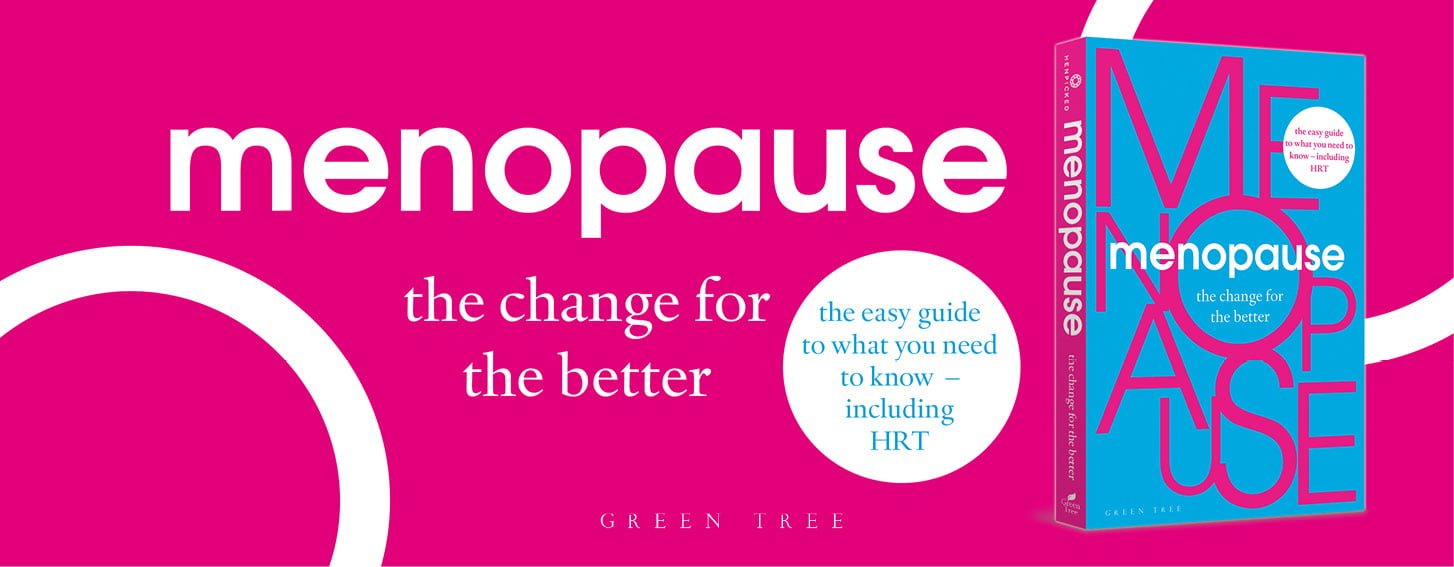
Available from Bloomsbury, Waterstones, Amazon and good bookshops.