
Expert resources for menstrual health – at every stage of your cycle
Whether you’re learning about your cycle, managing symptoms or seeking answers, you’ll find trusted guidance and real-life insight to support you at every stage.
Seen in…


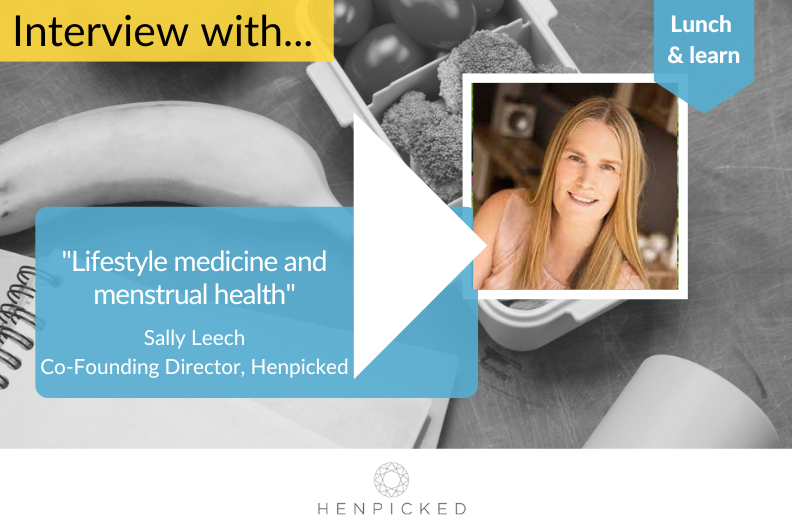
Join our free Lunch & Learns
Join thousands at our free Lunch & Learn sessions — bringing together leading clinicians, workplace experts and people with lived experience to explore hormone health in real life.
Expect thoughtful conversations, practical advice and honest discussion.

Explore menstrual health resources…

Understanding your menstrual cycle
Your cycle can shape how you feel day to day, often in ways we’re never taught to recognise.
Hormones shift across the month, influencing energy, mood, focus and physical symptoms in ways that can look different for everyone. Here you’ll find clear, trusted articles to help you understand how your cycle works and what’s normal for you.
Explore content…


Endometriosis
Endometriosis is a long-term condition where tissue similar to the lining of the uterus grows outside the womb. Symptoms can change over time and may not always follow a predictable pattern.
Endometriosis
affects about 10% of women and those assigned female at birth of reproductive age in the UK. It takes on average nearly 9 years to diagnose*
*Source: Endometriosis UK
They can include:


PCOS (Polycystic Ovary Syndrome)
PCOS is a common hormonal condition that affects how the ovaries work. It can influence periods, hormone levels, metabolism and fertility, and symptoms can vary widely from person to person.
Common signs and symptoms include:


Ask the expert: Symptoms and management of PCOS
With Dr Clare Spencer, Co-Founder of My Menopause Centre.

PMDD
(Premenstrual Dysphoric Disorder)
PMDD is a severe form of premenstrual syndrome linked to sensitivity to normal hormonal changes across the menstrual cycle.
Symptoms typically occur in the days or weeks before a period, improve once bleeding begins and can have a significant impact on daily life, work and relationships.
Common signs and symptoms include:


Adenomyosis
Adenomyosis is a condition where tissue similar to the lining of the womb grows into the muscle of the womb itself. This can make the uterus feel tender, enlarged or heavy, and periods can become increasingly painful or heavier over time.
It’s often confused with endometriosis, but they’re different. With adenomyosis, the tissue stays within the womb muscle. With endometriosis, similar tissue grows outside the womb, elsewhere in the body.

Understanding Adenomyosis
With Sally Leech, Co Founder of Henpicked

1 in 3
experience period pain severe enough to affect daily activities
1 in 10
women have PMDD (Premenstrual Dysphoric Disorder)
Nearly half
feel uncomfortable talking about periods at work
1 in 10
women are affected by endometriosis
1 in 10
women have PCOS (Polycystic Ovary Syndrome)
1 in 3
women are impacted by fibroids
It’s a workplace matter. Period.
Menstrual health affects how people feel, think and perform at work — yet for too long it’s been treated as a personal issue rather than a workplace one. Pain, heavy bleeding, fatigue and conditions such as endometriosis or PCOS don’t pause during working hours.
Silence and stigma can make it harder for people to ask for support, manage symptoms or stay fully engaged at work. The result isn’t just discomfort — it can affect attendance, confidence, productivity and progression.
That’s why we created Menstruation Friendly — an evidence-based framework helping employers move from awareness to meaningful action.
Explore content…


Supporting PMDD in the workplace
With Phoebe Williams, Founder and CEO of the PMDD Project

The role of employers
Menstrual health doesn’t stop at the workplace door. For many people, periods and menstrual health conditions can affect energy, concentration, confidence and comfort at work — yet menstruation has long been treated as something to hide or manage alone.
Employers have an important role to play. By creating environments where menstrual health is recognised, understood and supported, workplaces can reduce stigma and ensure people feel able to do their best work throughout their cycle.
That’s why we created Menstruation Friendly — an evidence-based programme designed to help organisations move from awareness to action. Through clear standards, practical guidance and independent recognition, we support employers to embed meaningful menstrual health support into everyday workplace culture.
Leading employers are Menstruation Friendly
Is your employer one of them?


Ignite change in your workplace
Whether you’re an employee looking to start the conversation or an employer ready to take action, change is possible and it starts with recognising menopause and menstruation as a workplace issue.
Change often starts with one passionate person and one conversation at a time. Many organisations that are now Menopause or Menstruation Friendly began because someone spoke up and asked for better understanding and support.
The Carolyn Lazarus Award celebrates those courageous champions driving real progress around menopause and menstrual health in their organisations, in memory of Carolyn Lazarus, founder of T4W, whose legacy continues to shape the future of workplace wellbeing.


Hayley Douglas
Cambridgeshire Fire and Rescue Service

Sally Busby
Southeastern

Melanie Redfern
AtkinsRealis

Mandy Baughurst
Leicestershire County Council

Zoe Shackleton
Huddersfield Town Football Club

Louise Furby
Specsavers

Paula Rix
Medical Protection Society

Gill Thomas
Nuclear Decommissioning Authority

Theresa Winters
Santander UK
We’d love to talk…
Whether you’re an employer looking to create a more inclusive workplace, interested in working with us, or have a question about Henpicked and our resources, we’d love to hear from you.
Please note: We’re not a clinical advice service and can’t answer questions about individual symptoms, diagnoses, HRT or treatments.
For personal medical advice, please speak to your GP or another appropriately qualified healthcare professional.
For all other enquiries, complete the form and a member of our team will be in touch.